Justin Baker
  • hi!
  • leadership
    • Team Leadership
    • Value-Driven Teams
    • Design Strategy
    • Industry Leadership
  • experience
  • portfolio
  • case studies
    • Intelligence Systems
    • LaunchDarkly
    • Auction.com Mobile
    • Auction.com Platform
    • Xplore
  • hi!
  • leadership
    • Team Leadership
    • Value-Driven Teams
    • Design Strategy
    • Industry Leadership
  • experience
  • portfolio
  • case studies
    • Intelligence Systems
    • LaunchDarkly
    • Auction.com Mobile
    • Auction.com Platform
    • Xplore
Search

Leading Inspired Design Teams

A world-class design team leverages behavioral science, gestalt heuristics, and genuine empathy to deliver experiences that accelerate business, customer, and personal growth.
Picture

Team foundations

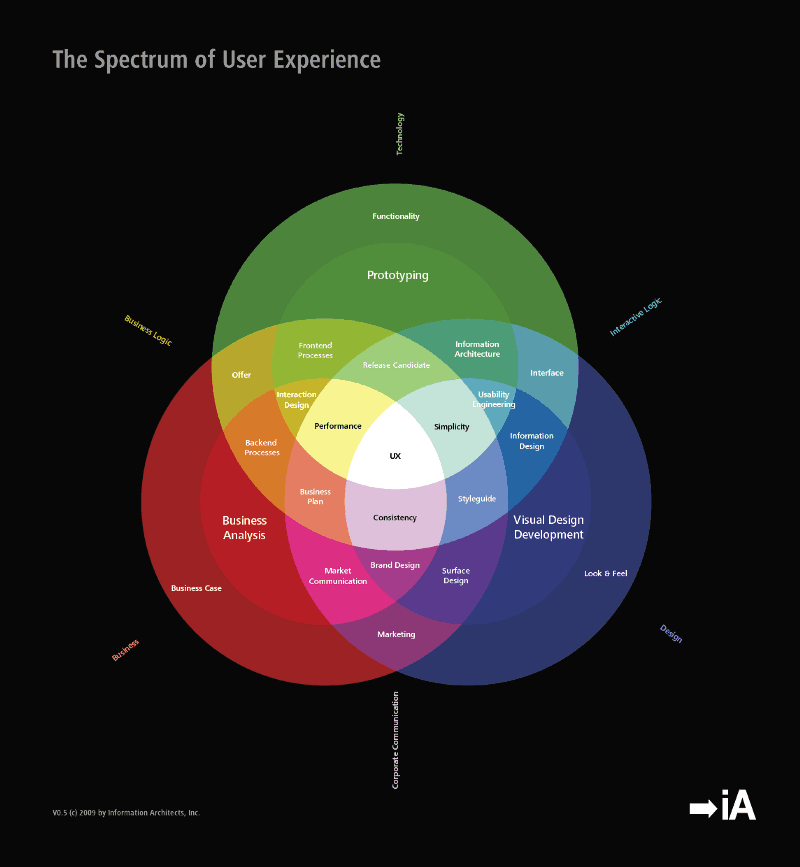
A design team is a cross-disciplinary, close-knit team of technical creatives who solve problems, amplify product value, and inform strategic envisioning.

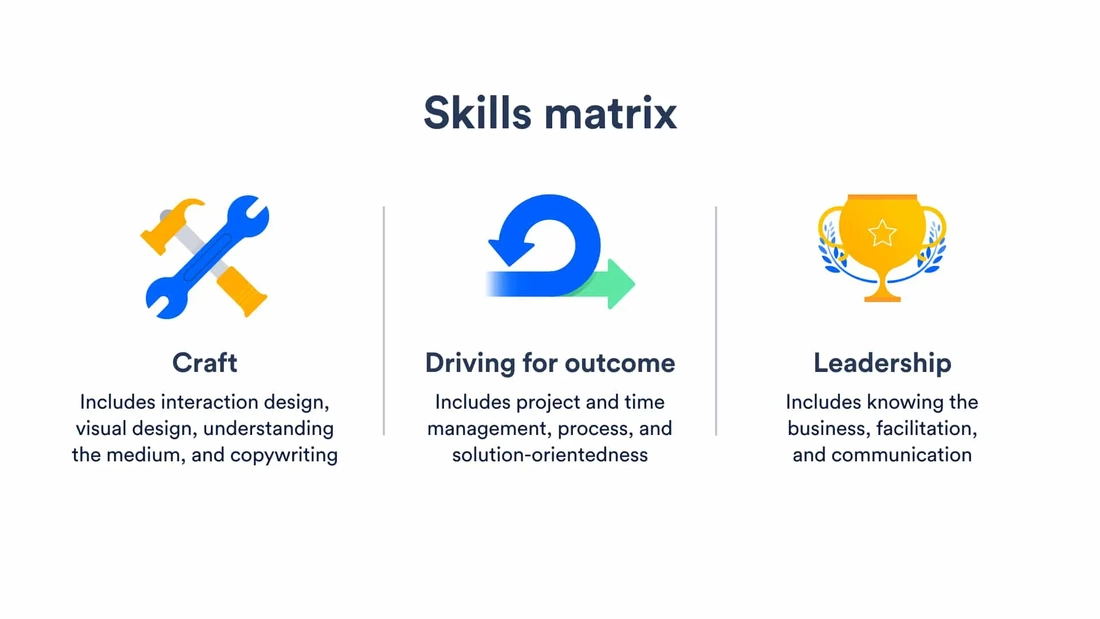
The main functional crafts typically include: UX Research, Content Design, Branding/Marketing Design, Product Design (Interaction), Visual, and Strategist.

​Depending on the org's maturity, I will typically optimize initial hires to be craft generalists, and then individually scale craft functions to anticipate organizational needs.

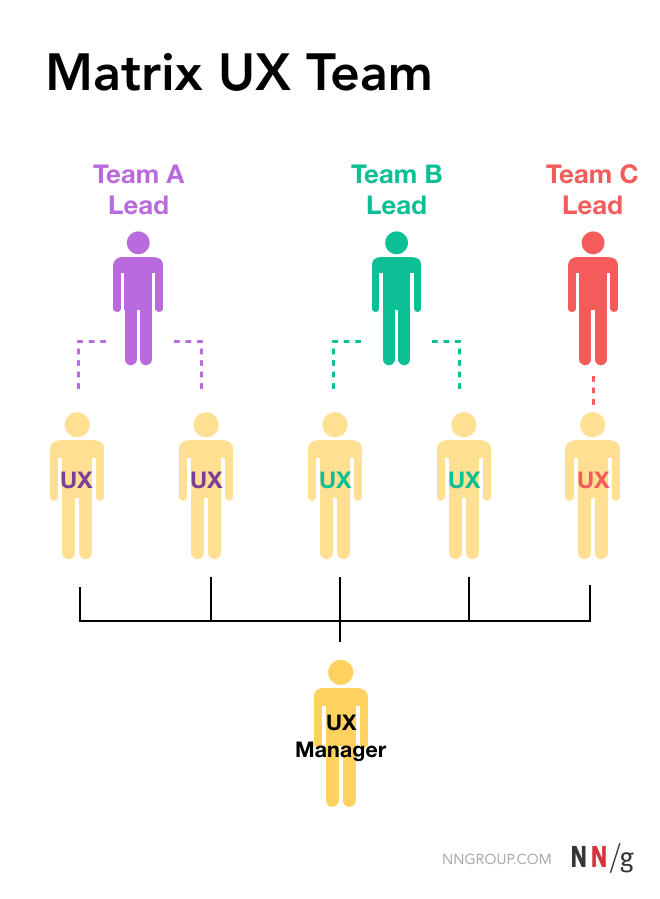
A Matrix UX Team balances resourcing flexibility with team/craft cohesion. Designers cannot thrive in silo'd environments. It is imperative that there's a codified sense of community, support, and craft growth.
Picture

Listen. Learn. Empathize.

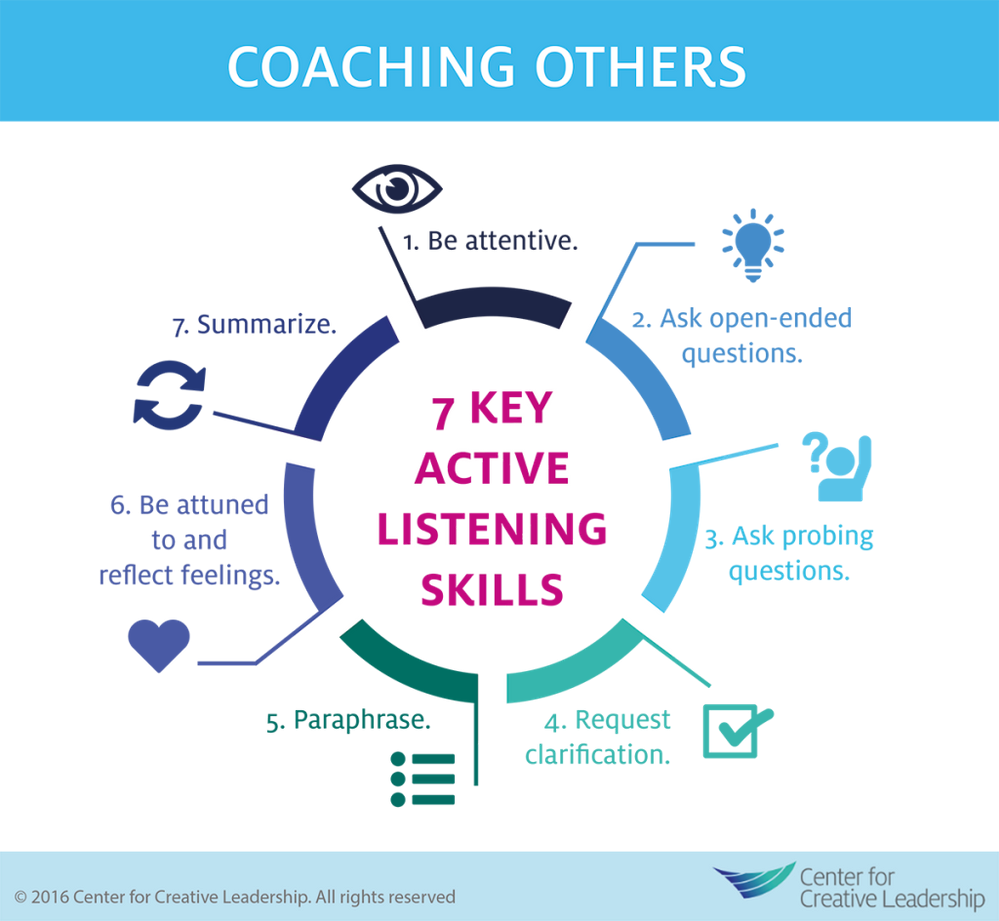
When joining or building a new design team, my first step is to establish a plan for listening, building empathy, understanding challenges, and business goals.

Tactics
  1. Develop a cross-functional listening tour across the org where I interview leaders and IC's at all altitudes and disciplines (customer success, eng, product, SBO, design).
  2. Synthesize current organizational, customer, and business challenges to understand rank-ordered priorities.
  3. Build empathy by identifying and deconstructing the delta between current and ideal customer behavior and organizational behavior.
Picture

Organizational needs

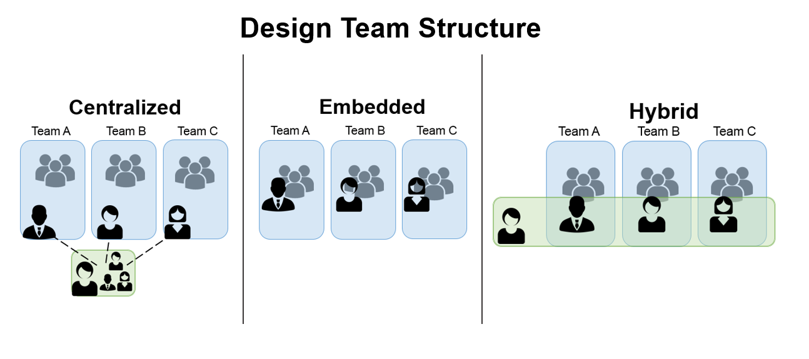
It is critical to understand the current organizational dynamics and the historical evolution of design within a team.  For instance, did design historically report into product? Has there been high churn?  Are there specific problem areas that need to be addressed?  This understanding will determine what the best design team structure will be. 

Tactics
  1. Understand the short, medium, and long-term product roadmap and business goals - including PNL / budgeting.
  2. Develop a proposed 'ideal' design resourcing strategy.
  3. Deconstruct the ideal resourcing strategy to identify a phased approach to team building.
  4. Identify current gaps (talent / resourcing) and understand what has historical worked well (culture fit, exceptional outcomes).
Picture

Building a team culture

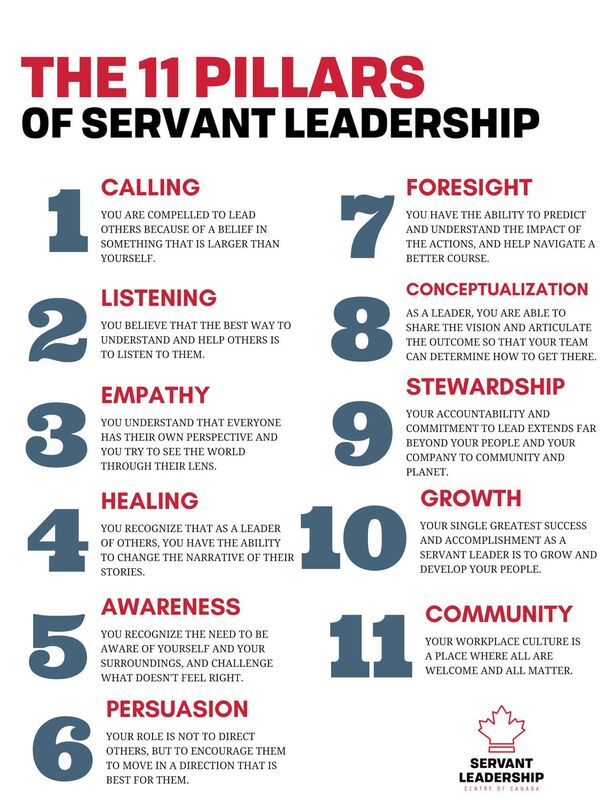
I don't build the design team culture: the team builds and lives the culture, together. We define what is truly important for every teammate, all laddering up to a north star of personal growth, continual fulfillment, and pride in the experiences we deliver.

Tactics
  1. Team workshops and listening tours to understand the needs of each teammate.
  2. Crafting values, a design process, and growth frameworks that excite the team and also provides incentives to attract new top talent.
  3. Alignment showcase with the broader org.
Picture

Amplify and celebrate the team, not myself.

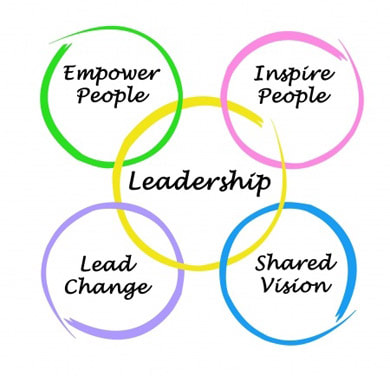
True leadership means that each individual designer feels ownership and genuine appreciation for their successes and outcomes. 

Tactics
  1. Public celebrations of best-in-class design outcomes and processes (including celebrating a calculated risk that may or may not have paid off).
  2. Amplify outcomes by sharing insights with the broader org and setting ambitious growth goals for each designer.
  3. Measuring my effectiveness by the happiness, fulfillment, and outcomes of the team - not by how well I sell myself.
  4. I take responsibility when things do not go as planned and help shield & support individual designers.  This empowers individuals to take more calculated risks, knowing I have their backs.
Picture

Craft excellence

I champion a culture of continuous learning and growth for each designer, even amplifying the design expertise of non-designers in the company.
​
Tactics
  1. Every designer has a clear growth plan that is reevaluated quarterly. 
  2. Ensure every designer feels a sense of challenge and ownership over their work.
  3. Codify explicit time for personal and craft growth, including a learning budget and creative refresh time off.
  4. Continuously showcase outcomes, insights, and design-thinking with the broader org.
  5. Invite guest speakers, codify behavioral science principles, champion
Picture

Cross-functional in our DNA

A high-performing design team is only as effective as its cross-functional relationships.  Design should be able to accelerate the delivery of best-in-class experiences, help define product vision, and continuously obsess over customer needs.

Tactics
  1. Create explicit measures for design operations success, design outcomes, and the quality of experience.
  2. Host org-wide envisioning workshops to continually align on strategic vision and share new learnings.
  3. Create cross-functional engagement plays for engineering, product, data, sales, marketing, and business.
  4. Host office hours and reward cross-functional listening tours.
Picture

Highly aligned, loosely coupled

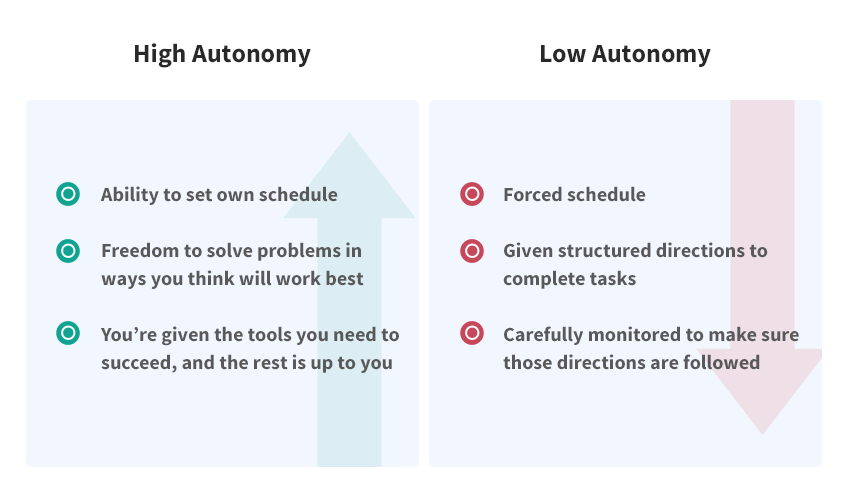
We will hyper-focus on continual, clear, and purposeful alignment - including the prioritization of customer and business needs - and allow every designer the autonomy to take full ownership of particular experiences.

We will proactively provide support and resourcing to ensure success.

Tactics
  1. Project and experience kick off milestones.
  2. Continual demo trusts with leadership to showcase progress and identify areas for feedback.
  3. Clear design drivers identified for every project and major initiative.
  4. Proactive reporting to leadership team about upcoming risks and opportunities.
  5. Cross-functional design critiques with partners and stakeholders.
Picture

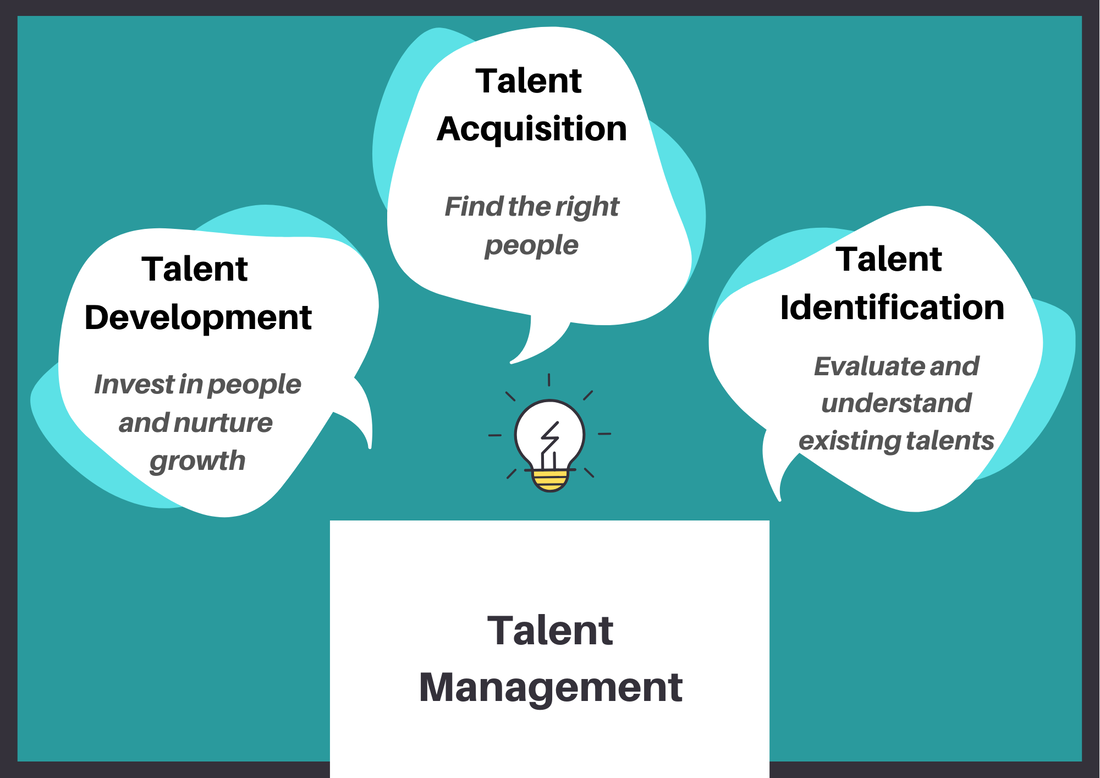
Hiring, growing, and retaining top talent

Hiring, growing, and retaining the right team is my most important job.  These designers will be the foundation for the org's customer experience and critical to establishing and maintaining a thriving culture.
​
Hiring Strategy
  1. Craft a hiring strategy process to evaluate generalists and specific craft specialists.  The strategy itself should be able to endure and evolve even without me.
  2. Prioritize assessment of soft skills, culture fit, growth potential, and genuine excitement (adaptation, grit, empathetic problem-solving skills, self-starters, team-first players).
  3. Rate technical aptitude and ability to learn new skills to fill potential gaps.
  4. Highly emphasize diversity of perspective and experience, while still ensuring a high talent bar.
Retention & Growth Strategy
  1. Ensure each designer has a personalized growth strategy, both professionally and personally.
  2. Ensure each designer has a codified internal support network with frequent check-ins to proactively address issues before they become problems.
  3. Ensure frequent compensation and career milestone check-ins, including growth paths towards specific milestones.
Leveling & Promotions
  1. Craft a leveling system clearly scoped to organizational needs and future growth targets.
  2. Mid-year evaluations and promotions with clear benchmarks, objective measurements, and candidate + manager 360 evaluations. 
Picture
Picture
Justin Baker
Personal Design Portfolio
For professional and employment purposes only.

​
Justin Baker​
​© 2023 All Rights Reserved
  • hi!
  • leadership
    • Team Leadership
    • Value-Driven Teams
    • Design Strategy
    • Industry Leadership
  • experience
  • portfolio
  • case studies
    • Intelligence Systems
    • LaunchDarkly
    • Auction.com Mobile
    • Auction.com Platform
    • Xplore